How to Resign With Class
Planning on leaving your job? Take a look at our helpful guide on how to resign with class.
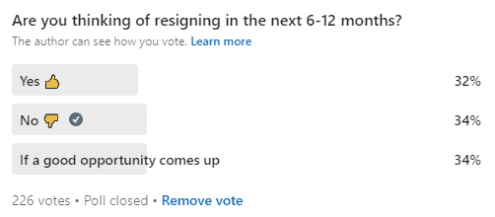
Staffing and recruitment experts are predicting a wave of resignations. The phenomenon of “The Great Resignation” is one of the more unexpected offshoots of the ongoing COVID-19 pandemic. Data from Microsoft shows that 38% of British and Irish workers are planning to leave their current job over the coming months.
Table of Contents
What Factors Are Leading to The Rise of Resignations?
- There is a pent-up demand for new jobs among people who put off changing roles until the uncertainty of the pandemic subsided somewhat.
- Another cohort is made up of people who have completely realigned their thinking regarding their future working life as a result of moving to remote work.
- We are also seeing many people working in sectors that were detrimentally affected by the pandemic (e.g. hospitality, travel) are now re-thinking their long-term career plans.
Why It’s Important to Leave A Job on Good Terms
While the idea might be tempting, it’s never a good idea to burn your bridges when leaving a job. Learning how to resign with class allows you to leave on good terms with your employer and teammates. Maintaining these positive relationships is key for several reasons:
- You never know when your paths might cross again
- It will help you obtain a positive reference
- You might want to return to the company at a later date
- It will help you to uphold a positive professional reputation
How to Resign with Class
Before You Hand in Your Notice
Planning out how you will resign will make things easier for you on the big day. Before you formally hand in your notice, double-check your contract of employment for information about notice periods and prepare a draft of your resignation letter. It’s also a good idea to brainstorm a transition plan for all of your unfinished projects or ongoing tasks.
Your boss should be the first person you inform about your notice. Schedule a one-to-one meeting during a quiet time. You may want to spend some time thinking about how you can announce the news in a neutral and professional way. If you need to vent, get it out of your system in a non-work setting before this meeting.
The Day You Turn in Your Notice
In the meeting with your manager, try to speak clearly and confidently. Keep your tone neutral and don’t treat the meeting as a chance to air your grievances. Show consideration to your employer by offering to work for the full duration of your notice period. It will make a good impression if you have already prepared some ideas on how to smooth out the transition process. Towards the end of the meeting, you should ask your boss how they would like to break the news to your teammates and clients.
Once the meeting is over, re-open your resignation letter draft and, if possible, add some points brought up during the meeting. Once you are satisfied with the draft, press “Send” and formalise your resignation.
Finishing Out Your Notice Period
Unless your employer says otherwise, you will likely need to work your full notice period. Even though you might be out the door mentally, try to stay professional and avoid slacking off.
In the days and weeks leading up to your final day, work on closing off key projects and tasks. For any jobs you can’t complete yourself, make hand-off arrangements with your colleagues. You may also be asked to help train your replacement.
Take some time to thank your co-workers and managers. One nice way to express your thanks is to leave glowing LinkedIn recommendations.
Your Last Day
You will need to wipe your work devices clean to make it easier for the next user to get set up. Purge your computer of personal files, pictures, emails, and contacts. If you need to save anything, move it to your personal Cloud account or email it to your personal address. You should also clear your cache, cookies and internet browsing history.
You will also need to clean your workspace. Clear away personal items and take special care to dispose of any foodstuffs (so as not to leave a nasty surprise for the next occupant). If possible, try to take care of this discreetly throughout the day so that you aren’t laden with boxes when you make your final goodbyes.
If you work in a large office or have remote colleagues, then you should consider sending a farewell message. It’s nice to send individual thank-yous to your boss, team and anyone who lent you a hand over the years. However, if you are working in a very large organisation, then a mass email might be the easiest option.
And don’t forget to plan a treat for yourself on your last day! Whether you were in the role for three months or three decades, today is a special day so mark the occasion!
Acing Your Exit Interview
When an employee turns in their notice, they may be asked to attend an exit interview with management and/or an HR representative. The aim of this meeting is for the company to gather contextual information about why the employee in question decided to resign. This feedback will help them to improve their staff retention strategies. Handling the exit interview with class will make a great impression and help you to maintain a positive professional reputation.
Common Exit Interview Questions
- Why have you decided to leave your position?
- Do you have any feedback or suggestions on how management could improve?
- Do you think you were provided with sufficient training?
- How would you describe the culture here?
- Do you think the company supported your professional development?
- Would you recommend this company to others seeking employment?
How to Prepare for Your Exit Interview
Getting the exit interview right is a key part of learning how to resign with class. As such, we recommend investing time and effort into proper preparation. The first thing you should do is find out if your organisation conducts exit interviews. Assume you’ll be asked to attend one and prepare what you’re going to say ahead of time. Try to keep your key points fact-based, neutral and diplomatic. Any criticism should be constructive and presented in a level-headed way. Focus on the positive and don’t throw anyone under the bus. For more tips on how to have a successful interview, read our dedicated guide “How to Answer Exit Interview Questions.”

Looking for a New Job?
If you’re ready for your next career move and want to explore your options, get in touch with one of Berkley’s expert Recruitment Consultants today. For additional strategies and advice, why not read our dedicated guide “How to Plan Your Next Career Move“.